
History of Gloucester Athletic Club
Gloucester Athletic Club has been part of the city’s sporting life for well over a century. From early track meets on cinder surfaces to modern all‑weather facilities and national‑level athletes, the club has continually evolved while keeping a simple core purpose—helping people of all ages enjoy and excel in athletics.
1880s–1900s: Early Beginnings
Organised athletics in Gloucester can be traced back to the late nineteenth century, when local runners and field event athletes began competing under the Gloucester name. In these early years, the club’s activities were closely tied to the wider growth of organised sport in the city, sharing grounds and facilities with other clubs and helping to establish athletics as a recognised pastime for the community.
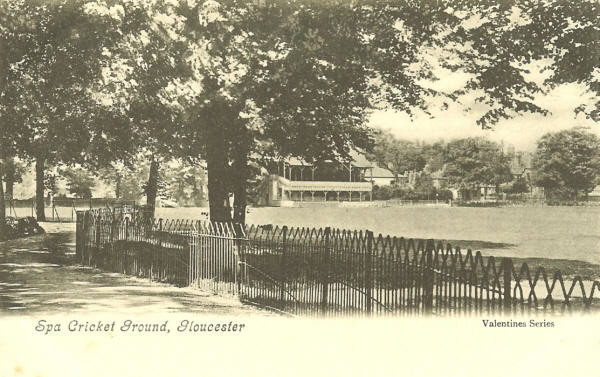
Spa Ground Gloucester
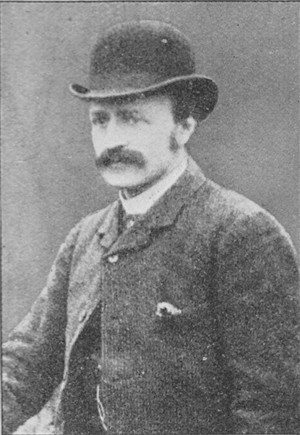
Frank Brown

Arthur William Vears
1910s–1940s: Between Wars and Rebuilding
Like many sports organisations, the club’s activity was affected by the First and Second World Wars. Membership and competition opportunities fluctuated, but local athletics never disappeared. Through these decades, Gloucester athletes continued to train and compete where possible, keeping the sport alive and laying the foundations for the post‑war revival.
1950s–1960s: Post‑War Revival and Structure
The post‑war period brought renewed energy to athletics. Gloucester Athletic Club began to grow in a more structured way, with regular training sessions, organised fixtures and clearer club administration. By the 1960s, the club was firmly established in regional competition, with athletes representing Gloucester in track, field, road and cross‑country events.
1970s: Emergence on the Ultra‑Distance Stage
The 1970s marked a golden era for Gloucester in ultra‑distance running. The club developed a reputation as one of the strongest ultra‑running centres in the country, with athletes producing performances that gained recognition well beyond the local scene. This period helped put Gloucester Athletic Club on the map and inspired a culture of ambition that still influences the club today.
1980s: Consolidation and Club Identity
During the 1980s, Gloucester AC continued to compete strongly on the road, track and country. The club’s identity as a friendly but competitive environment became more defined, with a growing mix of senior, veteran and younger athletes. Regular league competition and open meetings helped to strengthen links with other clubs across the Midlands and South West.
1990s: Growth of the Junior Section
The 1990s saw a major focus on junior development. Gloucester AC built a thriving young athletes’ section, offering structured coaching and regular competition for children and teenagers. Several juniors achieved success at county and national level, and the club became known as a place where young athletes could develop both performance and confidence in a supportive setting.
2000s: Coaching Strength and Event Specialisms
In the 2000s, the club’s coaching structure expanded, with specialist coaches in sprints, endurance and field events. Gloucester AC became associated with strong throws coaching in particular, attracting athletes from a wider area and contributing to county and regional success. The club’s presence in track and field leagues, road relays and cross‑country competitions remained consistently strong.
2010s: Modern Governance and Community Focus
The 2010s brought modernisation in how the club was run. Policies around welfare, safeguarding and coaching standards were strengthened, and the club aligned closely with national governing body guidance. Gloucester AC deepened its community role—supporting local schools, welcoming beginners’ groups and encouraging participation from all backgrounds, alongside its ongoing competitive ambitions.
2020s: Inclusive, Competitive and Community‑Minded
Today, Gloucester Athletic Club offers athletics for a wide range of ages and abilities—from young children taking their first steps on the track to experienced athletes competing at county, regional and national level. The club continues to balance three key aims:
- Performance: Supporting athletes to reach their potential in track, field, road and cross‑country.
- Participation: Providing a welcoming environment for newcomers, returners and recreational runners.
- Community: Playing an active role in Gloucester’s sporting and social life.
Looking Ahead
Gloucester Athletic Club’s history is still being written. Each new season brings fresh members, new personal bests and new stories. The club remains committed to offering safe, enjoyable and ambitious athletics in Gloucester—building on its long history while always looking forward.